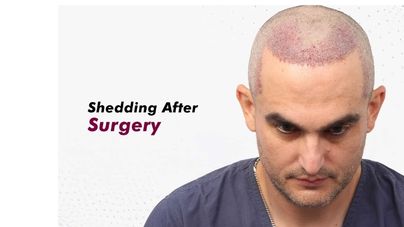
Every clinic shows you the same two photos — bald, then full hair. What they do not show is the 18-month journey between those two photos. The shock loss, the ugly-duckling phase at month 2, the slow climb from month 6, and the final maturation at month 12-18. I have documented 2 personal transplants, observed every phase myself, and walked thousands of patients through it on WhatsApp. This is what really happens — month by month.
In this guide
Month 0 — Surgery day
Your scalp is freshly operated. Tiny red dots cover the recipient zone, the donor area at the back feels tight, and you wear a soft cap home. Pain is usually mild — the local anaesthesia keeps things comfortable, and prescribed medication handles the rest. Sleeping the first night is awkward (head slightly elevated). Day 2-3 brings mild swelling that can travel down to the forehead — gravity, not infection. By day 5-7, swelling settles.
Month 1 — Shock loss begins
The first 7-10 days are about scabs and gentle washing. Then the unsettling part: around week 2-3, your transplanted hairs start to shed. By week 4-6, most of them are gone. The hair shaft falls, but the follicle stays alive under the skin in a resting (telogen) phase. Some native hair around the grafts may also shed temporarily — called secondary shock loss. This is normal and expected. The clinic did not warn you enough about this because it makes patients panic — but every healthy transplant goes through it.
Month 2 — The ugly duckling
If month 1 felt rough, month 2 is the mental low point. Almost all the transplanted hair has shed. The scalp looks as bald as before surgery — sometimes a bit emptier. There is no visible new growth yet. This is when the "I have wasted my money" feeling peaks. I have seen patients call me at 11 PM in panic at this stage. Nothing is wrong. The follicles are alive, resting, preparing to re-enter the active growth phase. Take a photo, save it, and do not compare to clinic before-after images — those skip this stage entirely.
Month 3-4 — First whispers of growth
The turn arrives. Around month 3, fine "baby hairs" emerge — light, thin, sometimes lighter in color than your other hair. Density is still very low and only visible up close, but the trend has reversed. By month 4, growth accelerates: 20-30% density, hairline shape starting to define, some areas growing faster than others (totally normal). The mental shift from despair to cautious hope happens in these two months.
Month 6 — Visible density
This is the milestone month. You typically have ~50-60% of your final density. The result is clearly visible from a distance. Hair is still maturing — slightly thinner than the final outcome — but the hairline shape, coverage and direction are now clearly defined. Most people in your life will notice now. Photos from this month compared to month 1 are dramatically different.
Month 9-12 — Near-final result
Month 9 brings ~75% density and clear coverage. Month 12 brings ~90% — comfortably styleable, photographable, and natural-looking. The texture refines, individual hairs thicken, and any patchy areas from month 6 fill in. Most patients are at their "final" appearance for everyday purposes by month 12. This is also the right month to evaluate the result honestly — not earlier.
Month 18 — Final maturation
Final density, texture and color blend completely with your existing hair. Around 100% of the result you will live with permanently. From here, the transplanted hair behaves like normal hair — grow, cut, style as you wish. The DHT-resistant property of the donor zone means these hairs typically remain for the long term, while your native hair continues its natural ageing.
Quick summary table
| Month | What is Happening | What You See |
|---|---|---|
| Month 0 | Surgery day, healing begins | Red dots, swelling, scabs forming |
| Month 1 | Scabs gone, shock loss begins | Transplanted hair starts shedding |
| Month 2 | Ugly duckling — peak shed | Scalp may look bare, no new growth |
| Month 3-4 | First new growth starts | Fine baby hairs, ~20-30% density |
| Month 6 | Density visibly emerging | ~50-60% density, hairline defined |
| Month 9 | Coverage closing in | ~75% density, mature look forming |
| Month 12 | Near-final result | ~90% density, fully styleable |
| Month 18 | Final maturation | 100% — texture & color fully blended |
What clinics promise vs reality
Most clinic websites suggest "visible results in 3-6 months" and "final result in 6-9 months". The reality, supported by every honest surgeon and every documented patient journey: visible density emerges around month 6 and the true final result is judged at month 12-18. The middle phase — shock loss in month 1, ugly duckling in month 2, fragile growth in month 3-4 — is the part clinics rarely show. Knowing this in advance is the single biggest thing that prevents panic and keeps you on the correct track. Document monthly photos from the same angle and lighting; that progression is your honest measurement, not the clinic's promised numbers.
Frequently asked questions
Timeline questions Sahil gets every weekWorried about a phase in your own timeline?
WhatsApp me directly — I personally read and reply to every message.